
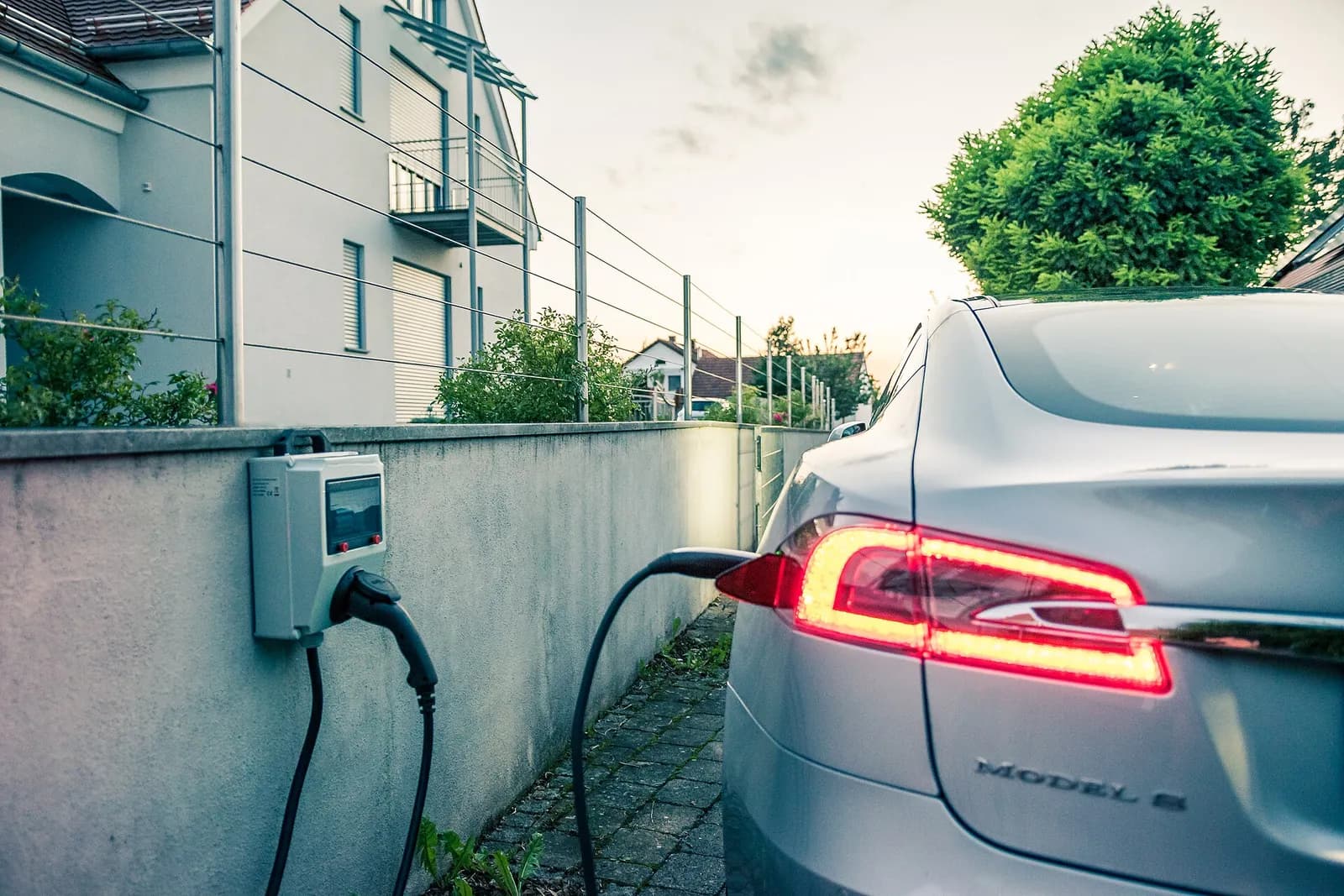
In Belgium, a large share of new electric cars are company cars. For the driver, the question soon comes up: how do you charge at home, who pays for the charger, and how does company car home charging reimbursement work?
Who pays for the charger?
It depends on your employer's mobility policy. The most common cases:
- the employer or the leasing company covers the charger and its installation;
- the employer covers part of the cost, with the rest paid by you;
- you pay for the charger, and it belongs to you.
Also ask whether a brand or model is required: some employers insist on a charger that is compatible with their consumption-tracking system.
How is the electricity reimbursed?
Your employer reimburses the electricity the car uses at home. This requires a charger that can measure every charging session and send a reliable history: energy in kWh, date and duration. The reimbursement rate is set by your employer.
Which charger should you choose?
For a company car, three criteria matter most:
- Accurate energy metering and export of charging data.
- Compatibility with your employer's system or the leasing company's.
- Dynamic load balancing, useful if you charge in the evening when the household is using a lot of power.
What if I have solar panels?
A charger with solar management can charge the car with your surplus. Check with your employer how these kWh are counted: some reimburse all the energy measured by the charger, wherever it comes from.
What happens if I change employer?
If the employer paid for the charger, its policy usually sets out what happens when you leave: the charger is taken back, bought out at residual value or left in place. Find out before you order.
How we can help
We install your home charger, issue the quote in the company's name if needed and choose a model suited to consumption tracking. See our page company car home charger or estimate your charging costs with the calculator, which includes employer reimbursement.