
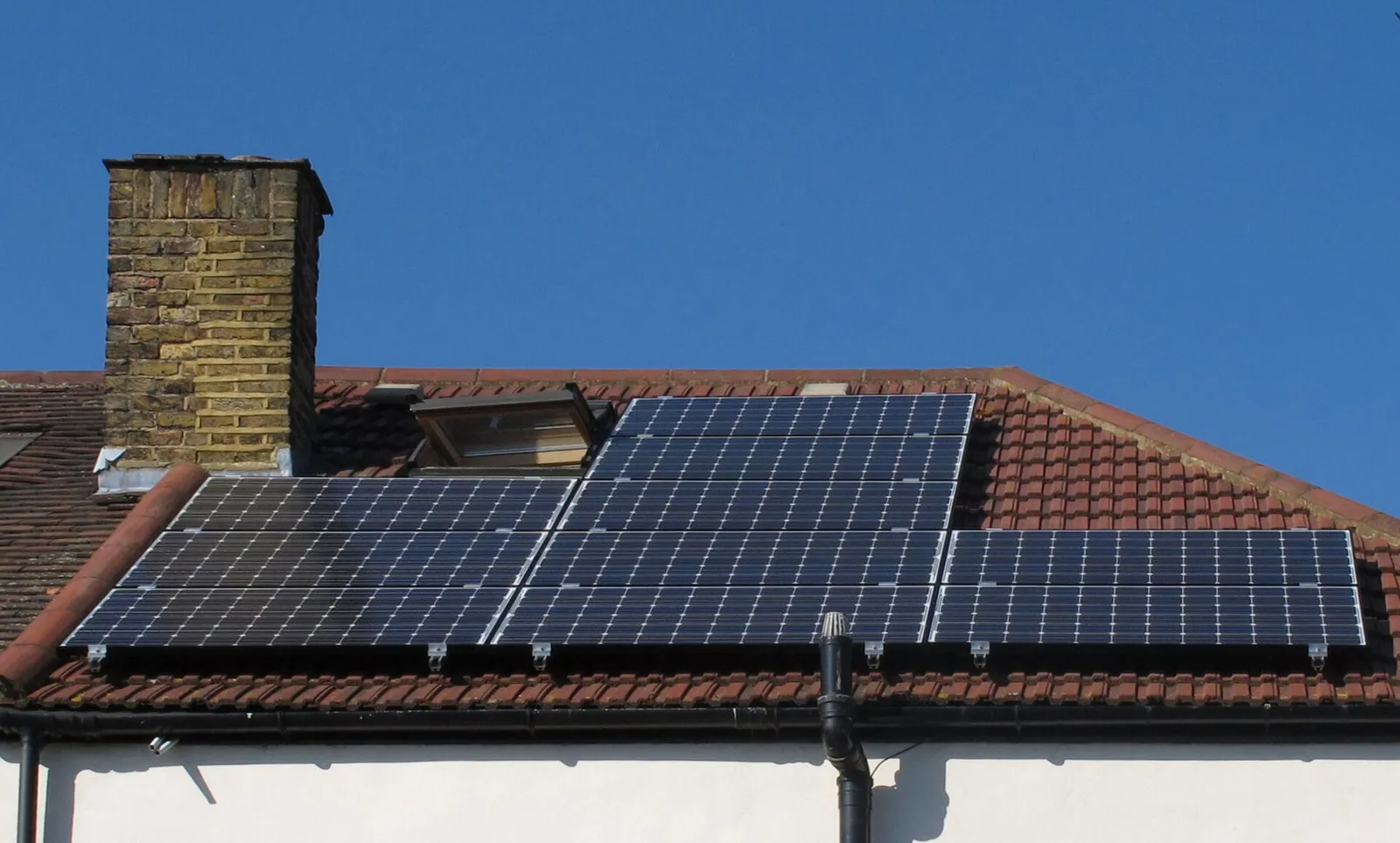
Your solar panels often produce more than your home uses during the day. Rather than exporting that surplus to the grid, you can charge your EV with your solar panels and store the energy in the car's battery.
How it works
A charger with solar management receives real-time readings of your panels' output and your home's consumption. When production exceeds consumption, it sends the surplus to the car. Depending on the model, a measuring sensor is needed in the fuse box.
Why charging your EV with solar panels pays off
A solar kWh you use yourself is worth the price of the electricity you do not have to buy, far more than you earn by exporting it to the grid. Charging with your surplus therefore cuts the cost of every kilometre considerably.
The limits to be aware of
- Minimum power: a car needs about 1.4 kW to charge on single-phase (and more on three-phase). A small surplus is not always enough.
- Whether the car is at home: solar panels produce during the day. They are most useful if the car is at home during daylight hours: working from home, a second car, weekends.
- The seasons: in winter, production is low. Mixed mode then takes over.
Charging modes
| Mode | How it works | Who is it for? |
|---|---|---|
| 100% solar | How it worksCharges only with the surplus | Who is it for?Car often at home during the day |
| Mixed | How it worksSurplus + grid to guarantee a minimum level | Who is it for?Most households |
| Fast | How it worksFull power, regardless of solar output | Who is it for?Leaving soon |
Which charger should you choose?
The Ohme and Schneider Electric chargers we install offer solar management depending on the version, sometimes with a metering accessory. Our expert checks compatibility with your solar PV installation and your inverter.
How much will you save?
In our savings calculator, indicate that you have solar panels: it shows the additional saving on your charging budget. For a complete project, see our page EV charger and solar panels.