
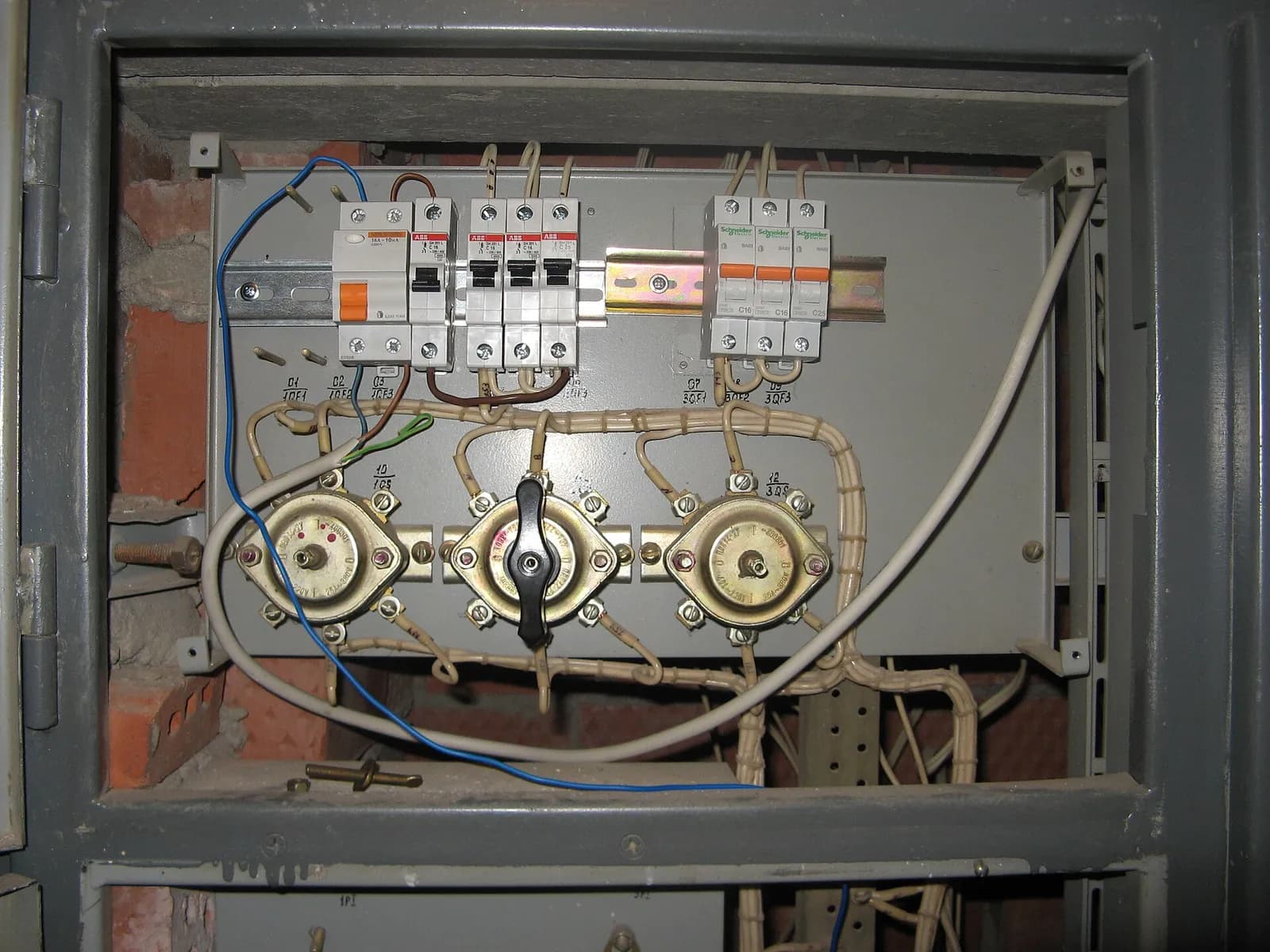
In Belgium, every electrical installation must comply with the RGIE (General Regulations on Electrical Installations, known in Dutch as the AREI). Adding an EV charger creates a new circuit, and that circuit must be inspected. Here is what the RGIE inspection of an EV charger involves.
Why is an RGIE inspection of your EV charger mandatory?
A charger carries a high current for several hours, often every night. The inspection by an approved inspection body checks that the circuit, the protective devices and the earthing are suitable and safe. Without this inspection the installation is not compliant, which can cause problems with your insurer in the event of a claim or when you sell your home.
What does the approved inspection body check?
- The dedicated circuit: cable cross-section suited to the power and the length of the run.
- Overcurrent protection: a circuit breaker suited to the circuit.
- Residual current protection: a 30 mA RCD of the right type for the charger (type A if the charger has built-in DC fault current detection, otherwise type B).
- The earthing and the continuity of the protective conductors.
- The diagrams: the single-line diagram and the layout plan must be updated.
The documents to keep
After the inspection you receive an inspection report. Keep it with the single-line diagrams and layout plans of your installation: they form part of your home's electrical file and you will be asked for them when you sell or make future changes.
Who arranges the inspection?
It is usually the installer who schedules it once the work is finished. Check that the inspection is included in your quote: with us, it is, as is updating the diagrams for the new circuit.
What if the existing installation is not compliant?
If your fuse box is old or the installation has defects, the inspection may flag them. It is better to know beforehand: when preparing the quote, we examine your fuse box and tell you whether any upgrade is needed, so there are no surprises.
For a price that includes installation and inspection, use our configurator. To learn more about the whole process, see our page home EV charger.